These photos – on Flickr – were taken on board ISS by astronaut Paolo Nespoli in 2011.
All are in red/cyan anaglyph format and were take with a Fujifilm W3 camera. Check them out!
These photos – on Flickr – were taken on board ISS by astronaut Paolo Nespoli in 2011.
All are in red/cyan anaglyph format and were take with a Fujifilm W3 camera. Check them out!
Go here: Amazon list of discounted Point n Shoot cameras
Point n shoot cameras have come a long way, just as have the high end and very expensive professional and near professional cameras.
Traditionally, “point n shoot” cameras have had small sensors that did not work well in low light, and may not have had access to all camera controls.
Today, many of these point n shoot cameras features larger sensors (1/1.7″ up to full 1″ sensors), can shoot in RAW and have a full set of manual controls for full image control. Plus, many of the new sensors perform much better in low light than they did just a few years ago.
Truth is, it is possible to get near professional quality photos out of low end point n shoots, especially when shooting in RAW and using post processing software. Indeed, we can now simulate narrow depth of field “bokeh” in software processing.
This summer I took only a point n shoot and my Nikon 1 camera on a vacation trip just to see what I could do. Most people would not be able to tell the difference between those shots and those taken on higher end gear.
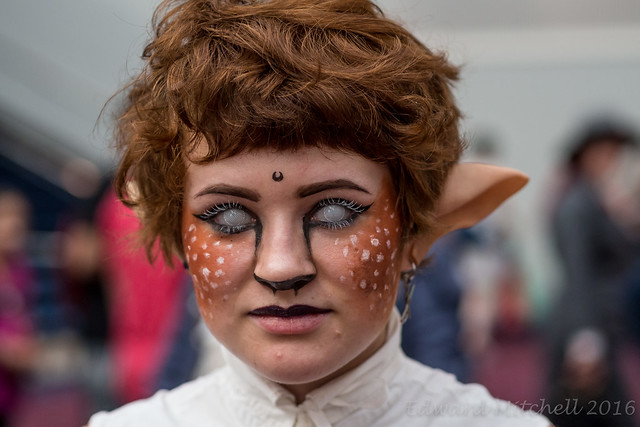
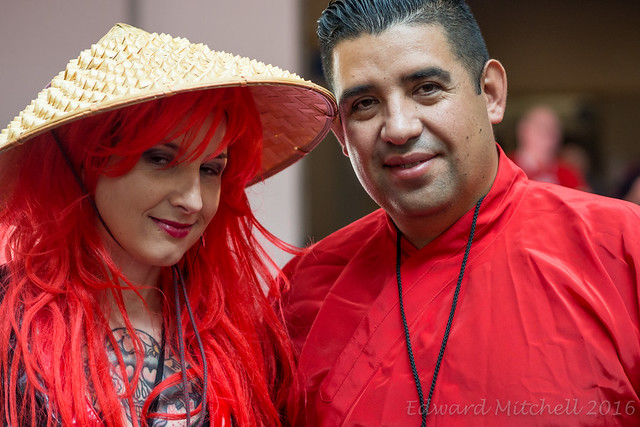
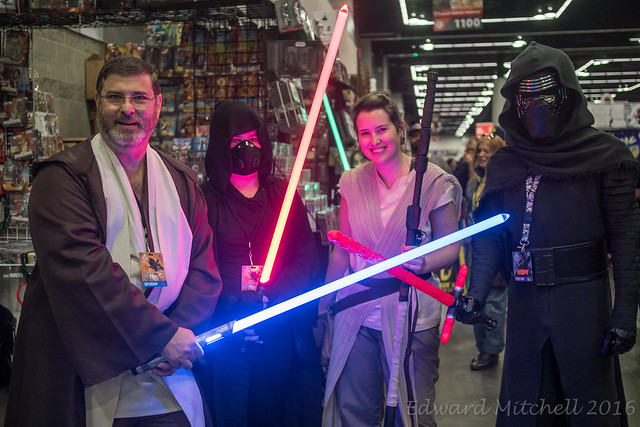
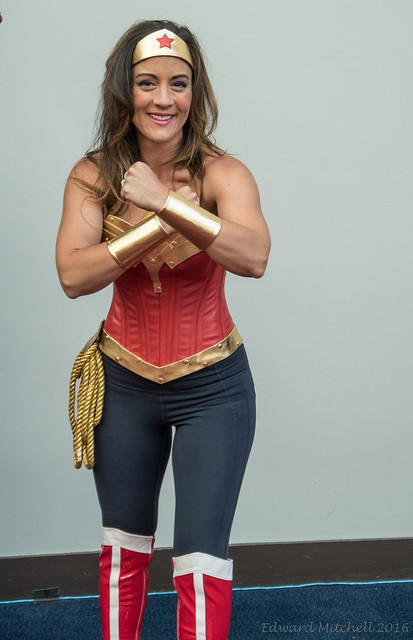
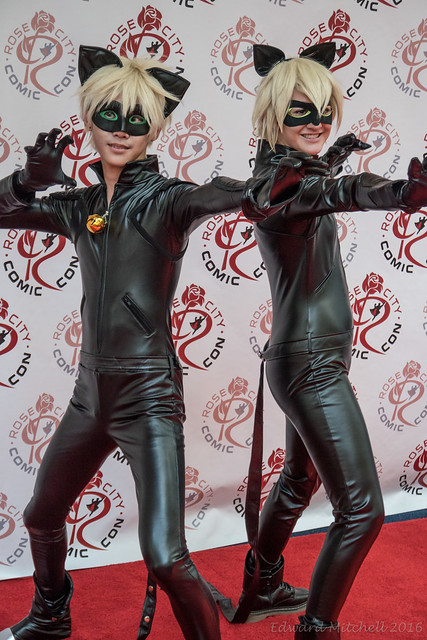
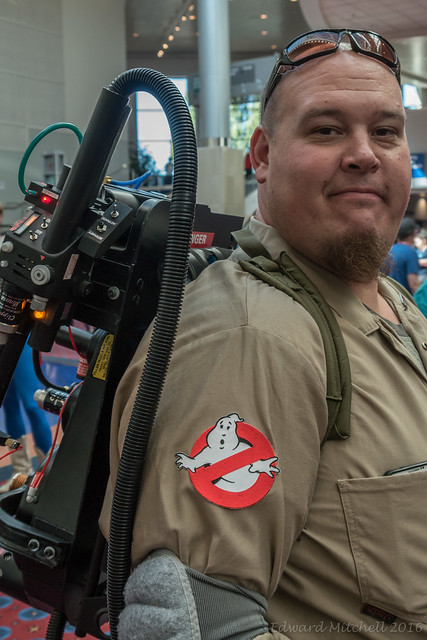
Rose City Comic Con 2016. Oregon Convention Center, Portland, Oregon.
Cosplay, comic books, science fiction fantasy, gaming, movies, pop culture.
To see all the photos, click on the links to go my Flickr photo albums.






These test shots were taken using a Nikon 1 J1. Not much attention was given to focus or exposure as the goal was to demonstrate vignetting and where the lens works best.
Created these shots as someone asked for some examples of vignetting with the Nikon 1 and this lens combo.
12.5mm, f/4
20mm f/4

30 mm

50mm
 75 mm
75 mm

As a 3D stereographer, I am always aware of the 3D space in front of me. And when shooting 2D, I often wish I was shooting 3D!
The key idea, in this linked column, is that by learning to see in 3D, we can improve our 2D photos. You might think “seeing in 3D” is obvious – after all we see a 3D world around us. But truly, as 3D photographers know, learning to see in 3D is a technique all unto itself.
About negative space, looking 3D and some other things.
Source: About negative space, looking 3D and some other things. By Dirk Dom – STEVE HUFF PHOTOS


